The People in the Hi-Vis: Inside the Crew That Makes Con Weekend Feel Easy
You've seen them. Clipped to the railings, hovering near the photo queue, crouched beside a wobbly prop helmet with a look of quiet determination. They're the ones in the hi-vis, and they are the reason your weekend doesn't descend into chaos somewhere around eleven o'clock on the Saturday.
We wanted to know what the job actually looks like from the inside, so we spent con weekend talking to the people who do it — the ones who give up their own chance to meet guests so that everybody else gets theirs. Their names are theirs to share or not; their stories are the whole point.
Six in the Morning, Before the Doors
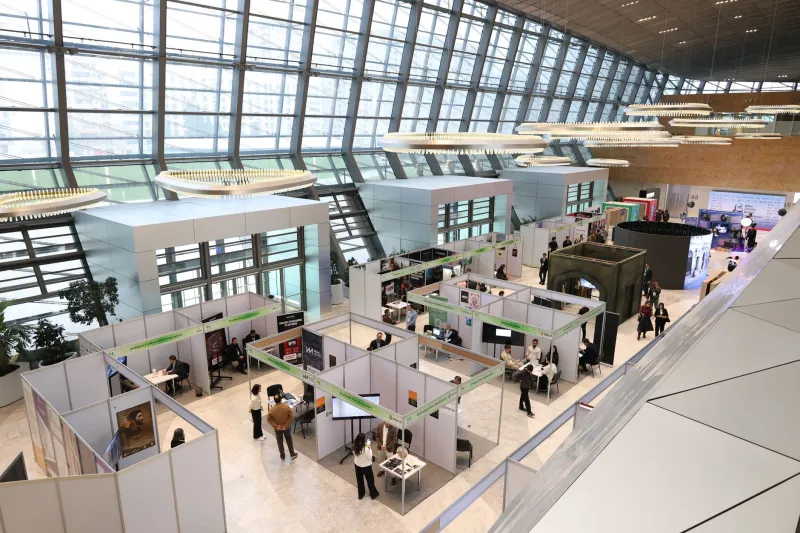
Long before the first ticket is scanned, the crew is already in the building. There's a briefing, a walk of the hall, a check of every entrance and exit, and a lot of pointing at floor plans while holding a coffee that will go cold before anyone touches it again.
"My first year I thought I'd be standing at a door for two hours and that was it," one steward tells us. "Nobody tells you that half the job is knowing where things are. Toilets, the accessible route, the quiet room, the nearest place to get water, which entrance the cosplay repair station is near. People ask you all of it, and you have to be right."
By the time the queue outside starts to curl round the corner, the crew has already solved a dozen problems nobody in that queue will ever hear about — a missing sign, a mislabelled queue, a guest who needs a different route through the hall.
What the Hi-Vis Actually Does
Strip away the practical stuff and the role comes down to three things: guiding, translating and calming.
Guiding is the visible bit — pointing, counting, moving a line of forty people ten feet to the left so a wheelchair user can get past. Translating means reading the official answer to a question and turning it into something a slightly panicked parent can actually use. Calming is the one that never makes it into the job description.
"You get good at spotting the person about to have a wobble," says a queue steward who's been volunteering for years. "They go quiet, or they start apologising for everything. If I can get to them before it gets bad — find them a seat, tell them where the quiet room is, tell them it's genuinely fine to leave the queue and come back — that's the best bit of the weekend for me. Better than any photo."
It's a surprisingly emotional job. You're the person people cry to when the photo doesn't happen. You're also the person they hug when it does.
"You Learn to Read a Queue Like a Weather Map"
Every queue has a personality. The autograph line is patient and chatty. The photo queue is nervous energy with a hard deadline. The panel queue at twenty minutes to doors is a small, tightly-wound civilisation.
Learning to manage that is a skill, and it's taught rather than assumed. New volunteers get paired with someone experienced, shadow a section, and are told — repeatedly, and with feeling — that they can ask for help at any point.
"The thing nobody expects is how much training there is," another crew member says. "Accessibility awareness, safeguarding, what to do if someone's unwell, how the radio works, when to call for a manager instead of sorting it yourself. It's not just standing about in a bright jacket. There's a proper structure behind it, and that's what makes it feel safe to do."
The Cosplayer With the Broken Strap
Ask the crew for their favourite moments and the answers turn specific and fond. The foam sword that was repaired with a borrowed hot glue gun and a lot of optimism. The kid in a homemade costume who got told, sincerely, that it was the best one in the hall. The parent who'd driven three hours and needed ten minutes to sit down.
There's also a quieter job that regulars talk about: making the weekend feel welcoming to people who weren't sure they'd belong at a con at all. First-timers, older fans, people who came alone. A steward who says "you're in the right place, pet, the queue starts over there" does more for fandom than any guest announcement ever will.
So You Fancy Volunteering in 2026?
If you've been hovering at the edge of the idea, here's the practical version, straight from the people who do it.
Apply early. Crew places fill up, and earlier applicants get more choice about which days and which areas they work. Sort your availability honestly — the schedule is built on it, and turning up short-staffed is the one thing that genuinely hurts the weekend.
Be realistic about your energy. Full days on your feet are full days on your feet. Comfortable shoes, layers, water, snacks and any medication you might need. Look after yourself the way you'd look after a queue.
Say what you're good at. If you're a confident talker, say so. If you're better with logistics and a radio, say that too. If you know the venue, or you've worked with accessibility support, or you can calmly handle a stressed child and a stressed parent at the same time — those skills matter more than how big a fan you are.
Know that you'll miss things. Some volunteers get to see a panel on a break; plenty don't. Go in expecting to serve the weekend rather than consume it, and the moments you do get will feel like a bonus.
Ask for help. It's not a failing. It's the system working exactly as it should.
The Bit Nobody Claps For
On Sunday evening, when the last queue has dissolved and the hall starts stacking chairs, nobody applauds the crew. There's no panel for them, no signed print, no photo op. There's a debrief, achy legs and a lot of people saying "same time next year?"
That's the thing about fandom, though. It's not built in the green rooms or the guest announcements. It's built in the small kindnesses — the steward who spots you flagging, the volunteer who walks you to the right door, the person in the hi-vis who tells you, sincerely, that you look brilliant.
So if you see one of them this weekend, say hello. They'll probably point you towards the queue. But they'll be chuffed you asked.