Charity Shop Heroes: How Geordie Cosplayers Build Big Looks on a Small Budget
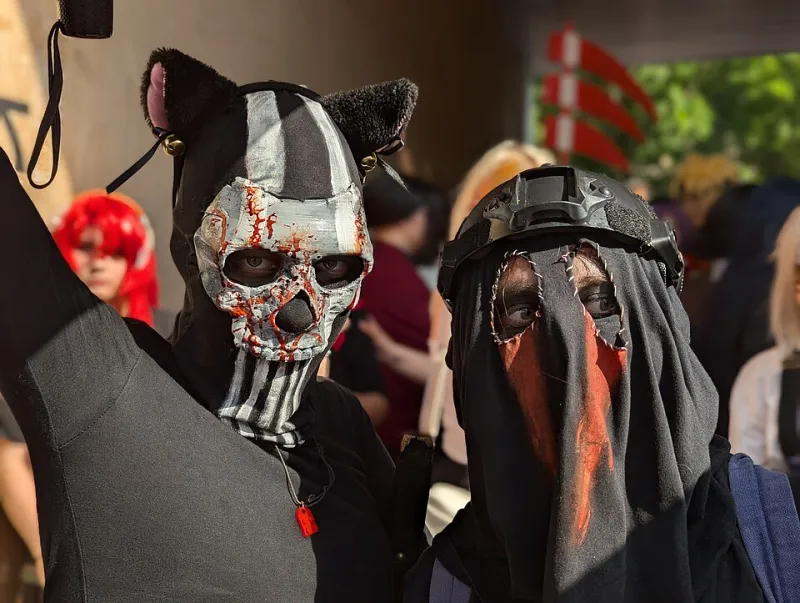
Photo: Jordónus, CC0, via Wikimedia Commons
You can usually spot them on the Metro before you spot them in the hall. A foam pauldron tucked under one arm, a carrier bag of glue sticks in the other, and the expression of someone who finished the whole build at ten past two this morning and would absolutely do it again.
Budget cosplay is not the poor relation of the hobby. In the North East it is the hobby. It is a genuine craft tradition built out of charity shop rails, hardware aisles, borrowed sewing machines and the cheerful willingness to ruin a kitchen table for the sake of a decent helmet. With Newcastle Film & Comic Con 2026 on the horizon, here is how local makers stretch small money into big silhouettes, and where to find the folk who will help you do the same.
Plan the Build Before You Buy a Single Thing
The most expensive cosplay is the one you start three times. Before you spend a penny, pick your character and then pick your battles. A look with a strong silhouette, one bold colour and a recognisable prop will read better across a crowded hall than a complicated design you cannot finish. Photograph the reference from four angles, decide which three details actually matter, and write down what you can make versus what you can modify.
Set a number and stick to it. Plenty of North East builders work to thirty or forty quid for a full costume and simply plan around that limit. It also helps to build in stages, so a half-finished outfit can still work as a casual version if the timetable slips.
Where the North East Actually Shops
Charity shops are the first stop and the best one. The big-name rails on Northumberland Street are picked over quickly, so head for the quieter ones in Whitley Bay, Byker, Heaton, Gateshead and the indoor markets in Durham and South Shields. Ask staff about damaged stock out the back, because a torn leather coat is worth more to an armour build than a pristine one. Look for curtains and bedsheets for cloak fabric, leather jackets for bracers, chunky boots, belts with good buckles, and old jewellery for the greebles that make a prop look engineered rather than glued.
The Grainger Market remains the not-so-secret weapon for fabric, trims and haberdashery, with stallholders who will happily tell you which lining will survive a full day of walking. Hardware shops and the big DIY sheds supply the unglamorous essentials: EVA floor mats, snap blades, contact adhesive and primer. Boyes and the pound shops cover the small stuff, from gems to cable ties to the plastic tubs that keep everything sorted between builds.
Foam, Glue and a Bit of Nerve
The single biggest money-saver in modern cosplay is the humble interlocking foam floor mat. Cut, shaped and heat-sealed, it becomes armour that weighs almost nothing and survives a packed hall far better than card ever will. A hairdryer or a cheap heat gun is enough to shape it, a few coats of watered-down PVA seal the surface, and flexible filler plus acrylic paint does the job that expensive specialty products are sold to do.
Two safety notes, because we like our readers unburnt. Glue guns are not toys, and hot glue on skin is genuinely nasty, so keep a bowl of cold water nearby. And please do not spray paint in a hotel room. Every year someone tries it and every year housekeeping has thoughts.
The Geordie Borrow Economy
Here is the bit that outsiders miss about fandom in this region: it is a sharing culture. Cosplay groups across Tyneside and Wearside run swap meets where a finished prop finds a new home and a sewing machine goes on long-term loan. Library spaces host craft sessions. Repair cafes have the patient volunteers and the tools that a beginner lacks. Makers with workshops will often cut a pattern for you for the price of a coffee and a chat.
If you are starting out, say so publicly. Post in a local cosplay group, mention what you are building, and ask if anyone has a pattern, a wig or a set of bracers going spare. The answer is more often yes than you would expect, and the swaps rarely involve money at all. A prop library at the convention itself, where finished pieces can be lent out and brought back, would be a lovely thing to see in 2026.
Comfort Is Canon
The costume is only half the build. The other half is surviving a full day in it. Broken-in boots beat screen accuracy every time. Layer up rather than bake, carry water, and pin your wig properly before you leave the house rather than in a toilet queue. Pack an emergency pouch with safety pins, spare glue, tape, a needle and thread, plasters and a snack.
Think about the practicalities of the journey too. Big wings and long staffs are awkward on a busy Metro, stairs are real, and doorways are narrower than they look in photographs. If your build needs two people to carry it, bring two people.
Nobody Notices the Seams
The thing that seasoned makers will tell you, usually while holding something held together with hope and Velcro, is that confidence does more work than craft. Crowds see the shape, the colour and the attitude. They do not see the wobbly stitch line under your arm or the fact that your breastplate started life as a gym mat.
So build the thing. Raid the charity rails, befriend the market stallholders, ask for help in the local groups, and give yourself permission to make something slightly wonky and entirely yours. That is what a Geordie build has always looked like, and it will look brilliant in 2026.