Your Pace, Your Weekend: An Access-Friendly Guide to Newcastle Film & Comic Con 2026
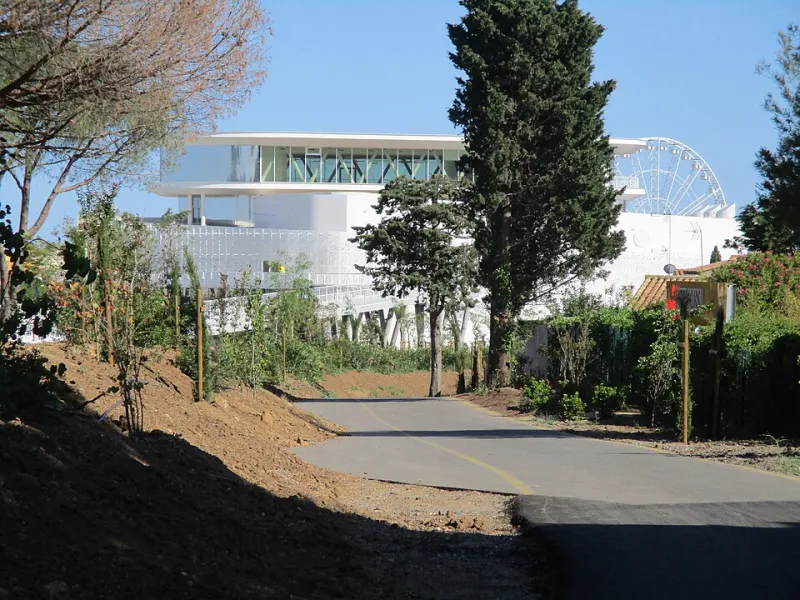
Photo: Artehjbj, CC BY-SA 4.0, via Wikimedia Commons
Con weekends are brilliant, but they are also busy, loud and full of decisions. If you use a wheelchair, a mobility aid, a walking stick or a hidden-disability lanyard, or if fatigue is part of your daily maths, the venue can feel like a different country. The good news is that a bit of planning turns most of that from a worry into a footnote. This is not a official access statement — always check the latest guidance from Newcastle Film & Comic Con and the venue before you travel — but it is a canny starting point for building a weekend that works for you.
Before You Book: Ask the Boring Questions
The most useful access work happens before you buy a ticket. Start with the event's access page and the venue's own accessibility information. Look for details on step-free routes, accessible toilets, lifts, hearing loops, assistance dogs, companion tickets and whether there is a designated access entrance. If anything is unclear, email the organisers early rather than leaving it to the week of the show. A quick message now is far easier than a stressful conversation at a busy door.
Think about what your weekend actually needs. Do you need to sit down every hour? Are crowds the main issue, or is it the distance between halls? Do you need to be close to a toilet, a quieter room or a lift? Write those needs down. It sounds over the top, but it gives you a checklist when the programme goes live and stops you from booking a photo session that clashes with your only realistic rest window.
The Venue Is a Map, Not a Mystery
Once the floor plan is published, spend ten minutes with it. Mark the entrances, accessible toilets, lifts, quiet spaces, first-aid points and the main stages. Then mark the things you actually want to do. You will quickly spot the pinch points: the main entrance at opening time, the busiest dealer aisles, the narrow routes around popular stalls, and the rush between panels. Those are the places to avoid at peak times or approach from a different direction.
A good trick is to plan a loop rather than a straight line. Start with the quieter halls, work towards the busy ones, and keep a rest stop within easy reach. If a panel room is your priority, ask crew about access seating before the queue gets long. Many events have designated spaces, but they can fill quickly. Arriving early is not just about getting a good view; it is about giving yourself options.
Talk to the Crew — They Are There to Help
Crew members in hi-vis are your best shortcut through most problems. Be specific about what you need. "I need a step-free route to the panel room" is easier to act on than "is there another way in?" If you have a hidden disability, you do not have to explain your whole medical history. You can simply say, "I struggle with long queues — is there a place I can wait?" or "I need to sit down soon; where is the nearest quiet spot?"
If the event offers hidden-disability lanyards or wristbands, ask about them in advance and collect one early. They are a signal, not a magic pass, but they can make quick conversations with crew much simpler. The same goes for companion tickets: check the rules before booking so you know who can come with you and what they need to bring.
Build in Breathing Room
A con day can be relentless if you try to do everything. For fans managing fatigue, pain or sensory overload, the best schedule often has gaps in it. Pick two or three must-dos and treat everything else as a bonus. Leave at least half an hour between big activities. Use that time to sit somewhere calmer, have a drink, or simply exist without being moved along by a queue.
Quiet spaces are worth finding early. They may be official quiet rooms, a seating area away from the main hall, or simply a corner that the programme marks as low-traffic. Ask crew if you are not sure. And do not feel guilty about using them. A twenty-minute break can be the difference between a brilliant afternoon and going home early.
The Practical Bits: Bags, Queues and Getting Home
Pack lighter than you think you need to. A small bag with medication, water, snacks, a charger and any paperwork is easier to manage than a giant tote. If you use a wheelchair or mobility aid, check the venue's rules on battery charging and storage before you arrive. If you are coming by public transport, look at step-free access at the station and the drop-off points near the venue. Newcastle's city centre is compact, but pavements and crossing points can still be busy on event days.
Queues are often the biggest hidden barrier. Photo and autograph sessions can involve standing for longer than expected, even with a ticket. Ask crew where the access queue is, whether you can wait seated nearby, and what happens if you need to leave the line. Most crews would rather help you early than watch you struggle silently.
Your Weekend, Your Rules
The best access plan is the one you will actually use. It might mean arriving after the opening rush, skipping the busiest dealer aisle, or choosing a quieter panel over a headline one. It might mean bringing a friend who knows when you need a break, or going solo and being firm about your own limits. None of that makes you less of a fan. It just makes you a canny one.
Newcastle Film & Comic Con 2026 should be a weekend for everyone, and access is part of the fun, not a side quest. Check the official guidance, ask questions early, talk to crew on the day, and give yourself permission to do the con at your own pace. That is how you make sure the good bits — the guests, the cosplay, the craic — are the things you remember.